
Cooking purpose
Crisping, baking, blending, extracting, mixing, or slow cooking: begin with the result you want most often.
The Ladqelo comparison edit
The right kitchen appliance is the one that works beautifully with the way you actually cook. Explore the differences that matter—from everyday function and countertop space to texture, preparation, and cleaning.

02 / Buying with intention
Before comparing features, decide which daily task deserves to feel easier. That answer often matters more than the longest specification list.
Crisping, baking, blending, extracting, mixing, or slow cooking: begin with the result you want most often.
Think in servings and actual batch sizes, not simply the largest stated volume.
Check appliance dimensions, ventilation clearance, and how comfortably it can be stored.
Consider removable parts, manufacturer-approved cleaning methods, and ease of access.
03 / Cooking methods
Both can bring convenience to busy kitchens, but they excel at different routines.
Well suited to crisping smaller portions with concentrated circulating heat. Basket capacity and turning or shaking requirements vary by model.
Often better suited to toast, baking trays, and larger-format meals. Check which modes and accessories a particular oven actually includes.
Choose by the meal: prioritize an air fryer for frequent small crispy servings; look toward a countertop oven if toast and versatile baking matter more.

04 / Coffee & espresso
A familiar cup each morning, or the satisfaction of pulling an espresso shot? Your preferred drink and involvement level are the real deciding factors.
A practical choice when you prefer regular coffee, straightforward routines, or serving several cups.
Designed around espresso-style extraction; some models include milk tools or integrated grinders, while others do not.
Consider grind consistency, adjustment range, and whether your brewer requires a particular grind style.
05 / Drinks & texture
The key difference is texture. A blender processes ingredients together, while a juicer typically separates liquid from much of the pulp.
Ideal for smoothies, purées, sauces, and ingredients you want to keep in one blended mixture.
Consider these when the priority is extracting juice. Yield, pulp handling, and cleanup vary significantly.
Choose the texture you love.

06 / Prep & baking
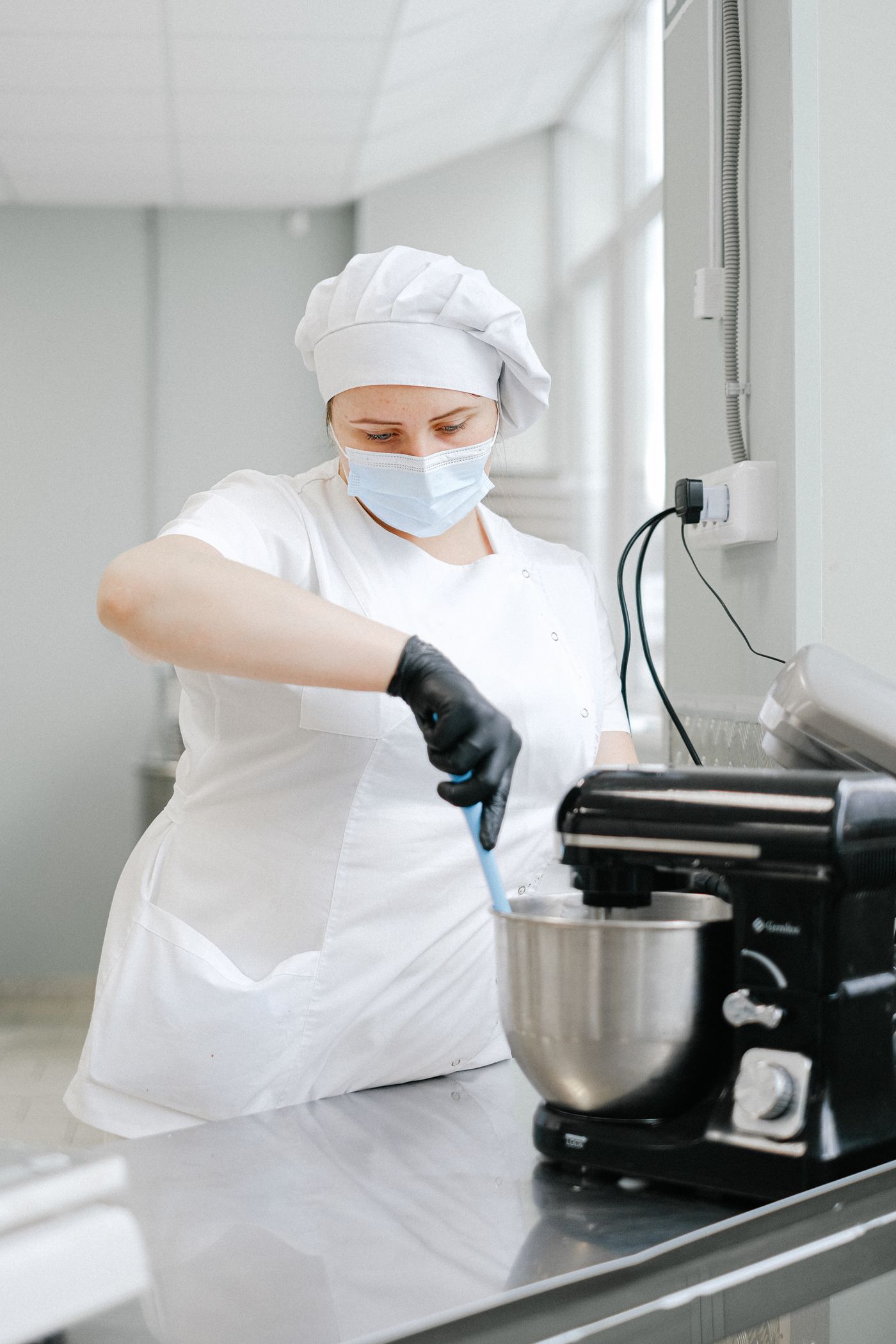
A stand mixer and a food processor can both save effort—but they solve different preparation problems.
A strong match for batters, whipping, and dough work when the included attachments and motor are appropriate for the recipe.
Useful for chopping, slicing, shredding, and some mixing tasks; the exact functions depend on the blade and disc set.
If your routine starts with flour and dough, explore mixers. If it starts with vegetables and prep work, compare processors.

07 / Indoor cooking
Both bring tabletop convenience. The cooking surface changes the experience more than the name alone.
Before choosing, compare surface dimensions, heat settings, cleaning instructions, and whether the plates are removable.
08 / Your next decision
Select the task you want to make easier. This quick guide suggests a category to compare first—not a substitute for checking individual product specifications.
Compare serving size, cooking modes, counter space, and the foods you prepare most often.
Also compare: wattage, available accessories, manufacturer care instructions, and usable dimensions.

09 / Ladqelo support
Still weighing two options? Our team can help you think through an appliance's listed features, your questions, and the purchase information available.
Visit Contact Us